
Property Staging for Estate Agent Photos: Complete Guide
Property staging for estate agent photos should begin before the photographer arrives, because by that point the biggest decisions about how your home will appear online have already been made.
Furniture placement, clutter, lighting, room purpose and even the position of a chair can completely change the way a room translates into a photograph. For many buyers, those photographs are their first introduction to your property and will influence whether they stop to look at the listing, continue scrolling or arrange a viewing.
This is why staging should form part of the preparation for launching a property rather than being something considered only after a listing has struggled to generate interest.
Why property staging for estate agent photos matters
Estate agent photography does not need to sell your property on its own, but it does need to give buyers enough reason to want to see more.
That is an important distinction.

When somebody searches online, your home is rarely being viewed in isolation. Buyers may be comparing several properties within the same price range and location, sometimes within just a few minutes.
Strong photography needs to communicate the layout, proportions and strongest features of the home quickly while still creating enough warmth and interest for somebody to imagine themselves there.
Staging gives the photographer a much stronger starting point.
Property staging for estate agent photos should consider the camera
The way a room feels when you are standing inside it is not always the way it appears through a camera lens.
A space that feels balanced in person may suddenly look crowded when photographed from the doorway, while objects you barely notice in everyday life can become surprisingly distracting once they appear within a still image.
Before photography day, walk around each room and consider where the photographer is likely to stand. Doorways and corners are often used because they allow more of the room to be captured, so look at the space from those positions rather than only from the centre.
Taking a few photographs on your own phone is also useful. It can reveal trailing cables, overloaded shelves, furniture blocking sightlines or small areas of clutter that your eye has simply become accustomed to.
The camera tends to notice everything.
Start with the photographs buyers are most likely to remember
Not every room will carry the same weight within a property listing.
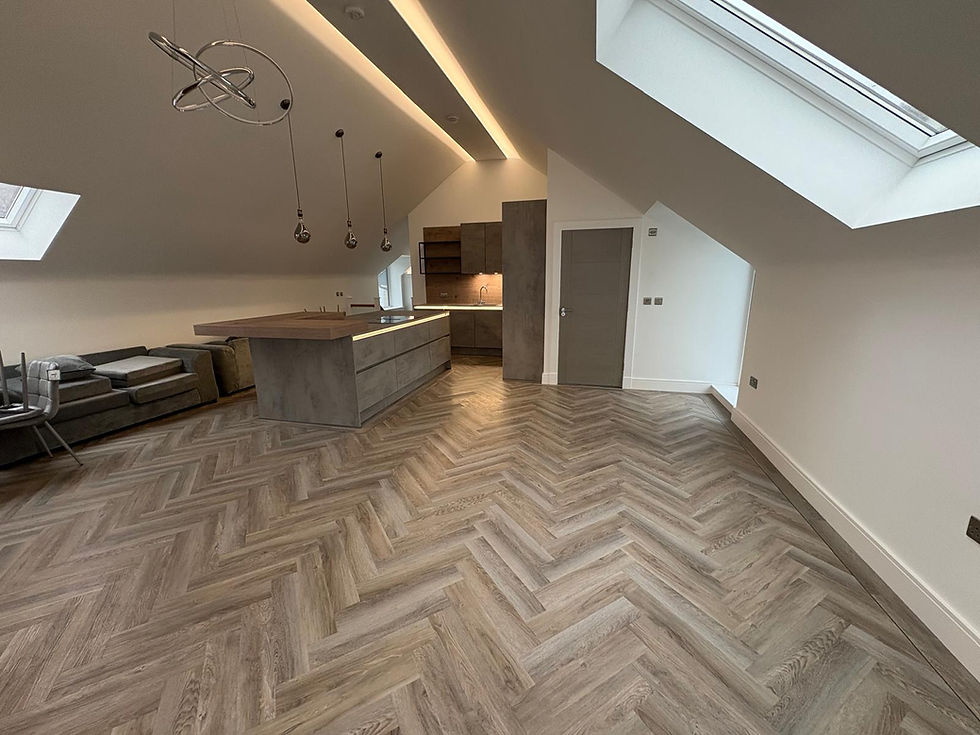
Your main living space, kitchen or kitchen-diner, principal bedroom and exterior photographs are likely to play a particularly important role, while one image will usually become the lead photograph shown in portal search results.
Think about what each important photograph needs to communicate.
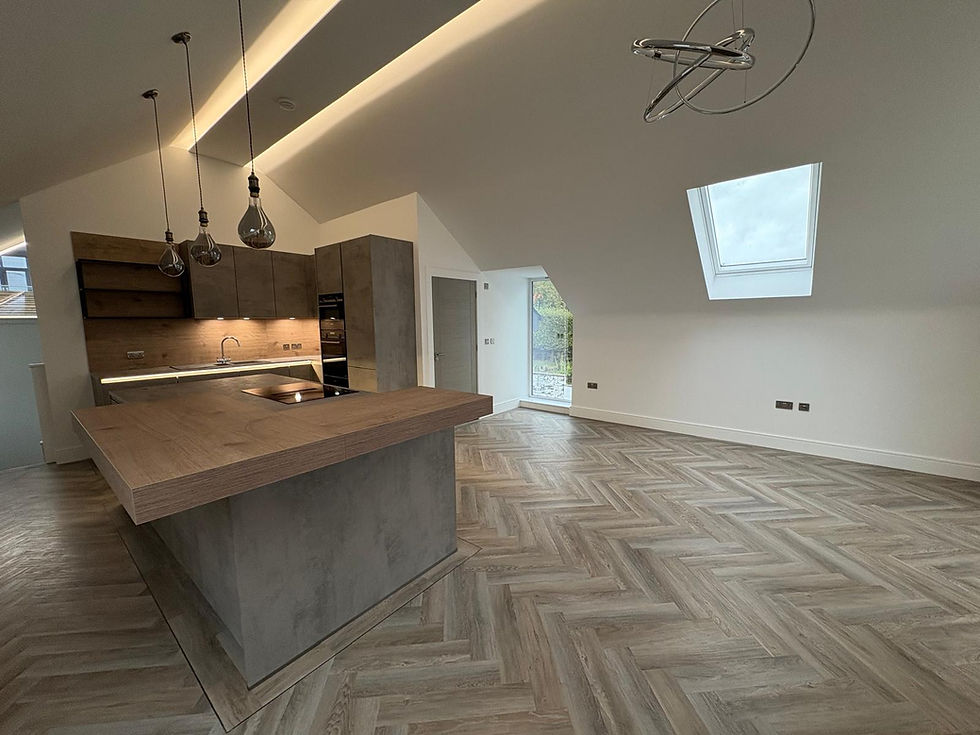
If the living room's strongest feature is a bay window, the furniture should enhance rather than block it. If the kitchen-diner offers excellent entertaining space, the staging should help buyers understand how comfortably the dining area works alongside the kitchen.
Where a property has an attractive view, period feature, fireplace or generous amount of natural light, the staging should frame those elements rather than compete with them.
How much should you declutter before estate agent photos?
Most homes benefit from some editing before professional photography, but decluttering does not mean removing every sign that somebody lives there.
An overly stripped-back home can feel cold and impersonal, particularly if every shelf, worktop and side table is completely empty.
Instead, concentrate on reducing visual noise.
Paperwork, excess family photographs, children's school notices, cleaning products, overflowing toiletries and large collections of small decorative items can distract from the property itself. Personal or sensitive items should also be removed before photographs are taken.
Once those distractions have gone, selected books, artwork, plants and accessories can remain if they contribute to the overall presentation.
The aim is calm and considered rather than completely anonymous.
Is there too much furniture in the room?
One of the most common challenges when staging an occupied home is not a lack of furniture but simply too much of it.
Furniture builds up gradually because homes need to work for real life. Additional chairs appear, children's furniture gets added, storage pieces arrive and a spare table finds a permanent home in the corner.
None of that is unusual, but it can make a room feel crowded in a photograph.
Removing one or two unnecessary pieces can open up sightlines, expose more floor area and allow important architectural features to become more visible.
This does not mean every room needs to become minimal. The furniture still needs to demonstrate how the space functions, but each piece should have a reason to be there.
What about empty properties?
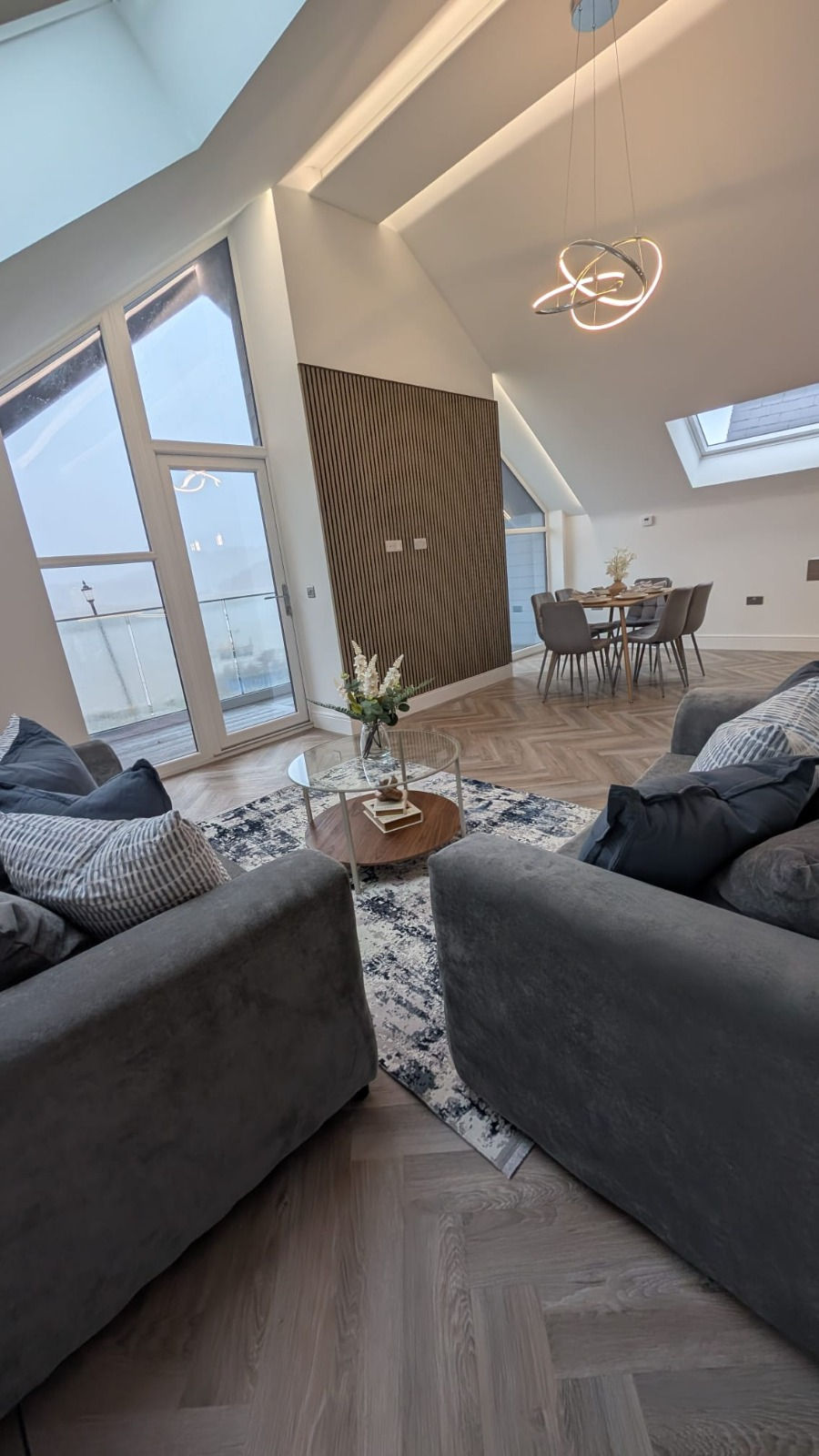
Vacant homes create a different challenge because there is nothing to provide a sense of scale.
An empty bedroom may look significantly smaller or larger in photographs depending on the camera angle, and buyers have to mentally calculate whether a double bed, wardrobes and bedside tables would comfortably fit.
Physical staging gives those rooms a familiar reference point.
The right furniture can also demonstrate how an awkward layout works, show where a dining area naturally sits within an open-plan room and make it easier for buyers to understand how one room flows into another.
For vacant properties, staging therefore supports both the photography and the eventual viewing experience.
Property staging for estate agent photos in smaller rooms
Small rooms should be presented honestly but confidently.
Trying to disguise the size of a room by filling it with unrealistically small furniture is rarely helpful because buyers will eventually see the room themselves. Equally, oversized furniture can make a usable space appear unnecessarily cramped.
The better approach is to demonstrate the room's real potential.
Choose furniture that is appropriate for the proportions, maintain a clear route through the room and avoid placing tall or bulky pieces where they restrict light.
In smaller bedrooms, for example, a properly proportioned bed with simple bedside styling may communicate the room's size much more clearly than an empty space ever could.
Make the most of natural light
Light can make a significant difference to property photography, particularly during the darker months in Scotland.
While you cannot control the weather on photography day, you can make sure the room takes advantage of the natural light available.
Curtains should hang neatly rather than covering large sections of glass, blinds should be positioned consistently and windows should be clean. Items that unnecessarily clutter window ledges can also be removed.
Furniture placement matters here too. A tall cabinet positioned next to a window or a large sofa pushed across glazing can make the room feel darker than it actually is.
The objective is to let the property's existing light work as hard as possible.
How should you stage the kitchen?
Kitchens tend to accumulate more everyday clutter than almost any other room in the house.
Kettles, coffee machines, air fryers, utensil pots, fruit bowls, paperwork and children's
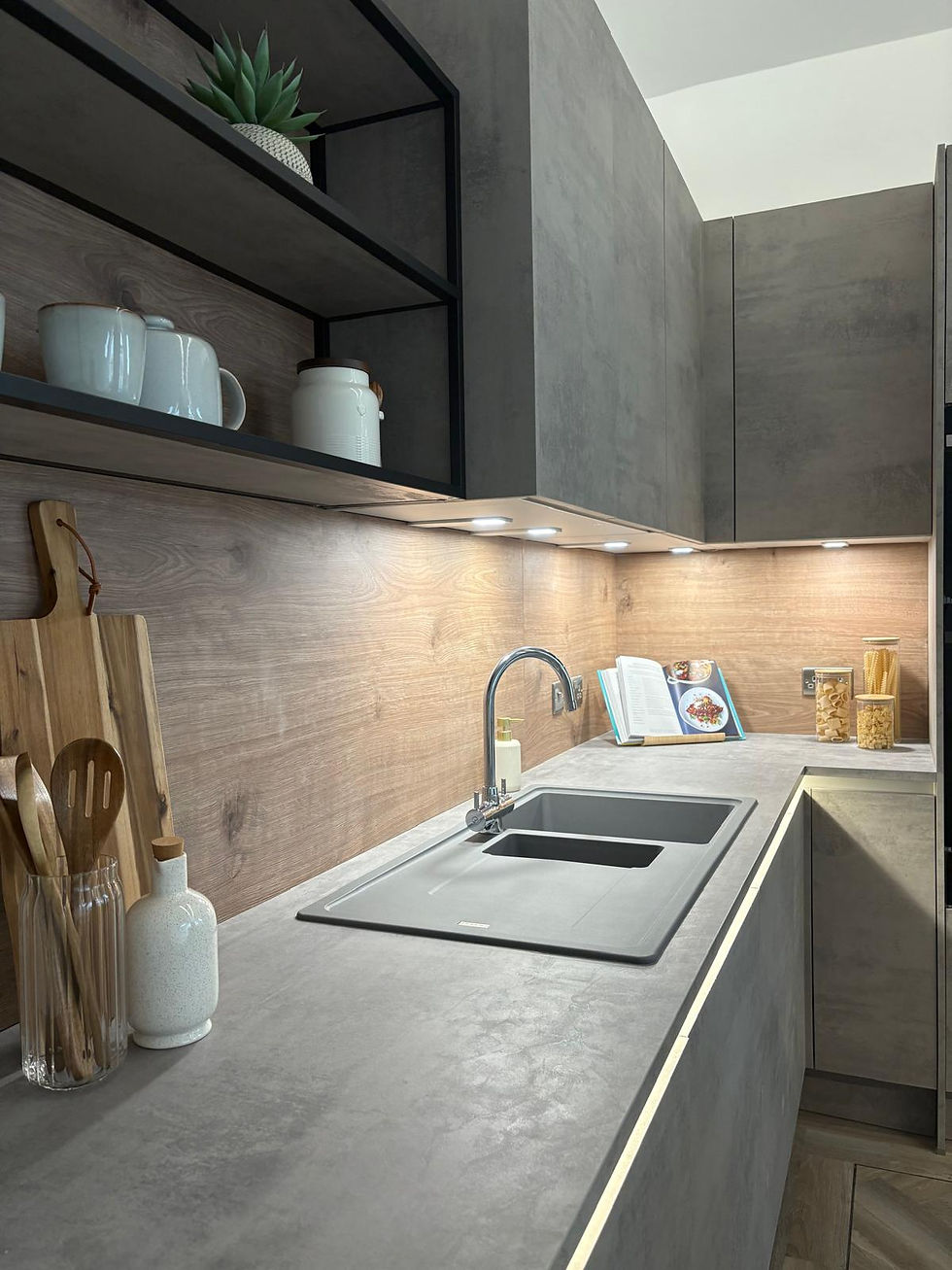
water bottles may all have perfectly sensible reasons for being on the worktop, but together they can make the available preparation space difficult to see.
Before photography, edit the worktops so that there is enough visible surface area to communicate how spacious and practical the kitchen is.
You do not need to remove absolutely everything. A well-positioned coffee machine, bowl of fruit or simple styling detail can help the room feel welcoming.
The difference lies in making those objects look intentional rather than incidental.
How should you prepare bathrooms?
Bathrooms usually benefit from a fairly thorough edit.
Everyday toiletries, toothbrushes, cleaning products and overflowing shower shelves can quickly dominate photographs because the rooms themselves are often relatively small.
Clear unnecessary items, make sure towels are clean and neatly presented, and keep styling simple.
A small plant, attractive hand wash or neatly folded towel may be enough to introduce warmth without making the room feel staged for the sake of it.
Above all, bathrooms need to look exceptionally clean and well maintained in photographs.
Don't forget what buyers see outside
Property staging for estate agent photos is not limited to the interior of your home.
The exterior or garden image may become the lead photograph, particularly for detached and semi-detached houses, so the same attention should be given to what appears outside.
Depending on the property, this might mean moving bins, sweeping paths, tidying garden furniture, cutting the grass, removing children's outdoor toys or replacing dead plants.
Balconies and terraces should also be treated as usable spaces where appropriate. A small table and chairs can sometimes communicate the purpose of a balcony much more effectively than leaving it completely empty.
There is no need to make a Scottish garden look unrealistically summery in the middle of winter. It simply needs to appear cared for.
Should you use virtual staging instead?
Virtual staging can be useful for certain vacant properties, but it serves a different purpose from physical staging.
Digitally adding furniture to a photograph may help buyers understand a room when they see it online. However, that furniture will not be there when they arrive for a viewing.
Physical staging supports both stages of the buyer journey because the property shown in the photographs is substantially the same property buyers subsequently experience in person.
Where virtual staging is used, the imagery should be represented appropriately so buyers are not misled about the property's current condition or contents.
Whichever method is chosen, clarity should remain the priority.
Why photography day matters beyond the property portals
Professional property photography has a much longer life than many sellers realise.
The same images may be used across an estate agent's website, Rightmove or Zoopla listing, social media, email marketing, printed brochures and digital advertising.
For developers and property professionals, they may also become part of a larger portfolio of marketing material.
This makes staging before the photography particularly valuable because a well-prepared room creates stronger imagery across several different channels at once.
It is worth treating photography day as an important part of the overall marketing campaign rather than simply a record of what the property looks like.
What does the Scottish property market mean for presentation?
Scotland's residential property market continued to show resilience during the first half of 2026.
Registers of Scotland reported that the average Scottish residential property price reached £192,000 in April 2026, up 2.8% compared with April 2025. Rightmove's June 2026 House Price Index also reported annual asking-price growth of 3.3% in Scotland, with properties taking an average of 31 days to find a buyer.
Local markets can behave very differently, but buyers generally still have competing properties to compare.
Strong market conditions therefore do not make good presentation unnecessary. A property that is correctly priced and presented clearly is simply giving itself a stronger opportunity to stand out when buyers begin their search.
Estate agent photography checklist
Before your photographer arrives, it is worth completing a final walk-through of the property.
Check that beds have been made neatly, bathroom toiletries have been cleared, kitchen surfaces have been edited and obvious cables or cleaning products are out of sight. Cushions, throws, artwork and accessories should look intentional without appearing over-styled.
Look at each room from the doorway and make sure its purpose is immediately understandable.
Outside, check paths, bins, garden furniture and any areas likely to appear in the photographs.
Then resist the temptation to continue adding things simply because a shelf or corner looks empty. Sometimes giving the room a little visual space makes the photograph considerably stronger.
Property staging for estate agent photos should happen before launch
Successful property staging for estate agent photos is not about making every home look immaculate or recreating a show home. It is about helping the photographs communicate the scale, layout, function and strongest features of the property as clearly as possible.
Preparing the home before photography also means buyers encounter a consistent story. The property they discover online is recognisable when they subsequently walk through the door, which can make the overall viewing experience feel much more considered.
June Home Staging works with homeowners, developers and property professionals throughout Scotland to prepare occupied and vacant properties for photography, marketing and sale.
If you are preparing a Scottish property for the market, explore our Staging for Sale service or speak to June Home Staging about arranging staging before your professional photography takes place.


Comments