
15 DIY Home Staging Tips for Scottish Sellers
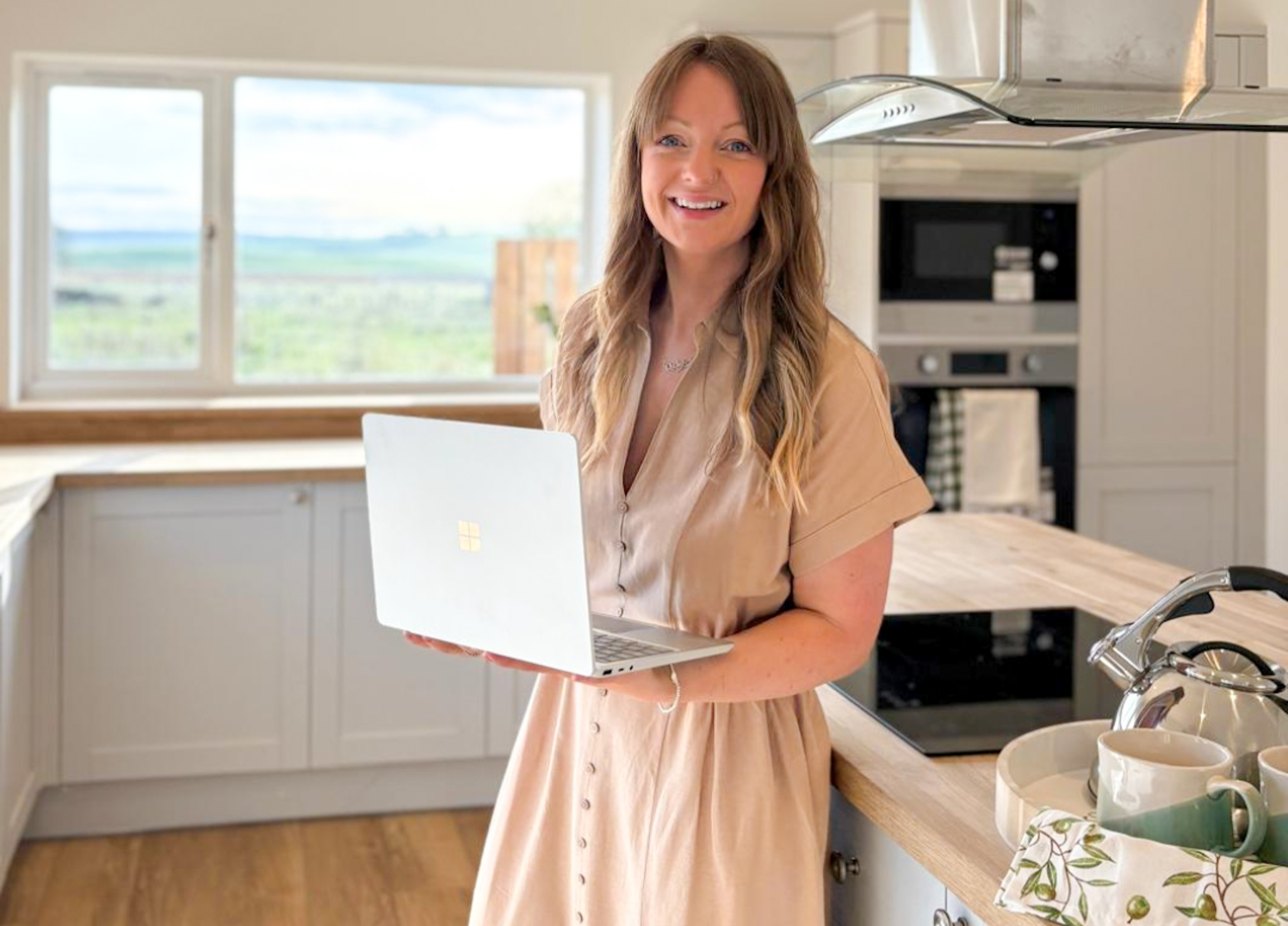
Professional home staging delivers results. Research from the Royal Institution of Chartered Surveyors (RICS) shows that strategic home presentation increases property value by 5–10%. On an average Scottish property worth £195,000–£250,000, that translates to £10,000–£25,000 additional value. Yet professional staging costs £1,200–£8,000 depending on property size and complexity.
The brilliant news? You don't always need professional stagers to achieve great results. These 15 DIY home staging tips focus on high-impact, low-cost improvements that work specifically for Scottish properties and Scottish buyers. Most require minimal budget and maximum effort. Implement these techniques strategically, and you'll achieve the same results professional stagers deliver - often surprising yourself with the transformation.
Tip 1: Declutter Ruthlessly - Remove 30% of Your Belongings First
Decluttering isn't staging yet. It's the foundation that makes staging possible. Properties overwhelmed with personal belongings, furniture, and clutter feel cramped and make buyers anxious about storage.

Ruthless decluttering means removing 25–35% of your visible belongings. Not just tidying—actually removing items from the property entirely. This is psychologically difficult because we're attached to our possessions, but it's essential. Buyers need to imagine themselves in the space, not imagine where their belongings would fit around yours.
The Strategy: Room by room, identify items you can remove. Pack decorative items, books, collections, excess furniture into storage or boxes. Keep only 65–75% of what you currently display. Open cupboards should appear mostly empty, not packed.
Cost: £0 (unless you rent storage, typically £30–£50/month).
ROI: Dramatic: nearly every property feels 20–30% larger after ruthless decluttering.
Tip 2: Depersonalise Completely - Pack Away Family Photos and Memorabilia
Personal items create emotional barriers between buyers and your property. Family photographs, sports memorabilia, collections, and distinctive artwork make buyers focus on you, not the property.
Research from buyer psychology studies shows that buyers who see personal items struggle to visualise themselves. They're thinking about your family instead of imagining their own life in the space. This is the opposite of what you want.
Depersonalising means: all family photographs go into boxes, collections go into storage, distinctive artwork comes down, children's bedroom posters get packed, sports memorabilia gets boxed.
The Strategy: Go through every room and identify personal items. Pack them away completely - don't leave them visible anywhere. This feels jarring, but it's critical. The property should feel like a blank canvas, not like someone's home.
Cost: £0 (if doing yourself) or £20–£50 (storage boxes).
ROI: Essential: without depersonalisation, other staging efforts lose 40% of effectiveness.
Tip 3: Deep Clean Everything - This Is Non-Negotiable
Cleanliness is the foundation of all staging. A cluttered, dirty property can't be staged professionally no matter what you do. Buyers equate cleanliness with maintenance and care.
Professional deep cleaning includes:
cleaning inside appliances,
degreasing cooker hoods,
cleaning inside cupboards,
scrubbing grout,
polishing fixtures,
cleaning windows inside and out,
removing stains from carpets.
The Strategy: Tackle one room at a time over 3–4 weeks. Allocate 8–10 hours per room for deep cleaning. Don't try to deep clean the entire property in one weekend—the quality suffers. Focus on visible cleanliness: kitchens, bathrooms, living areas first. Bedrooms second.
DIY Cleaning Tips:
- All-purpose cleaner: equal parts water and white vinegar
- Glass cleaner: 1 cup water, 1 cup vinegar, few drops washing-up liquid
- Tough stains: bicarbonate of soda paste applied and scrubbed
Cost: £10–£30 (cleaning supplies).
ROI: Critical: cleanliness affects buyer perception of maintenance more than any single factor.
Tip 4: Maximise Natural Light - Open All Curtains and Blinds Fully
Light dramatically affects how buyers perceive property quality, size, and mood. Dark, dim properties feel cramped, depressing, and poorly maintained. Bright properties feel spacious, healthy, and well-cared-for.

Maximising natural light means: all curtains and blinds fully open during daytime hours (especially viewing times), removing heavy window coverings, trimming outdoor foliage blocking windows, ensuring windows are spotlessly clean inside and out.
For Scottish properties with notoriously grey winters, light maximisation is crucial. Edinburgh and Glasgow particularly benefit from emphasising light, properties with abundant light punch above their weight in buyer perception during winter months.
The Strategy: Remove heavy curtains or replace with lightweight, neutral options. Open blinds fully during viewing hours. Clean windows until spotless - dirty windows reduce visible light by 20%. Position mirrors opposite windows to reflect and amplify light.
Cost: £20–£60 (lightweight curtains or blinds, if replacing existing).
ROI: Dramatic - natural light increases perceived property value by 10–15%.
Tip 5: Paint Walls in Neutral Colours - DIY Painting for Maximum Impact
Dramatic wall colours appeal to you personally but deter buyers. Neutral colours create blank canvas that allows buyers to imagine their own décor.
Optimal neutral colours: soft whites (Dulux Egyptian Cotton), warm beiges (Dulux Warm Putty), soft greys (Farrow & Ball Old White). Avoid: bright colours, dark colours, wallpaper patterns, feature walls.
DIY painting is achievable and represents one of the highest ROI staging investments. A single room painted takes 8–12 hours and costs £30–£80 in paint and supplies. The impact on buyer perception is significant.
The Strategy: Focus on visible, high-impact rooms: living room, kitchen, master bedroom, hallway, entrance. Don't paint every room unless absolutely necessary. Three rooms painted typically delivers 80% of the benefit.
Painting Tips:
- Two coats minimum (undercoat + topcoat)
- Quality paint (Dulux, Farrow & Ball) lasts longer and looks better than budget paint
- Preparation is 70% of painting - clean, prime, tape carefully
- Brush technique matters - invest time in technique
Cost: £30–£150 per room (paint + supplies + your time).
ROI: High: neutral painted walls increase perceived value 8–12%.
Tip 6: Float Furniture Away From Walls - Create Space, Not Cramped Corners
Common mistake: pushing all furniture against walls to "make the room feel larger." Actually, floating furniture (positioning it away from walls) creates better flow, defines spaces, and paradoxically makes rooms feel larger by creating proper sight lines and circulation.
The Strategy: Position sofas to face focal points (fireplace, view) rather than walls. Create conversation areas with chairs facing each other. Leave pathways obvious—buyers should be able to walk through without navigating around furniture.
For Scottish period properties (Edinburgh flats, Glasgow terraces), floating furniture is particularly important. These properties often feel cramped when furniture is pushed to walls. Strategic floating opens up the space.
Cost: £0 (rearrangement only).
ROI: High: proper furniture arrangement increases perceived space 15–25%.
Tip 7: Update Kitchen Hardware and Fixtures - DIY Upgrades That Transform Spaces
Kitchen hardware (door handles, tap, knobs) and fixtures define how modern or dated a kitchen appears. Updating these is an easy, affordable DIY that delivers surprising impact.
DIY Kitchen Updates (cost-effective):
- Replace cabinet door handles: £20–£50 (new handles only, no cabinetry work)

- Replace tap: £50–£120 (installation simple for most properties)
- Update backsplash with peel-and-stick tile: £30–£80 (non-permanent, renter-friendly)
- Replace dishwasher panels: £20–£40 (if manufacturer offers; otherwise peel-and-stick contact paper £10–£20)
- Paint cabinet doors: £40–£80 (white or neutral grey transforms dated kitchens)
The Strategy: Replace hardware first (quickest, highest impact). Then tackle tap. These two updates make kitchens feel refreshed without major investment.
Cost: £50–£200 total (for 2–3 updates).
ROI: Very high: kitchen updates increase kitchen satisfaction ratings 30–50%.
Tip 8: Create Kerb Appeal - Transform Exterior Presentation
Kerb appeal is your property's first impression. Research shows homes with strong kerb appeal sell for more and faster. Yet kerb appeal is entirely within DIY budget.
Kerb Appeal Updates:
- Mow lawn and edge borders: £0 (your effort), or £30–£50 (professional)
- Plant seasonal flowers (front garden, entrance): £20–£50
- Paint front door: £30–£80 (high-impact colour choice)
- Pressure wash driveway: £0–£100 (DIY or hire)
- Tidy hedge and shrubs: £0 (your effort) or £50–£150 (hire)
- Add entrance seating or feature: £30–£100
The Strategy: Start with lawn mowing and garden edging. Then add seasonal flowers. Finally, paint front door. These three actions transform kerb appeal dramatically.
Cost: £50–£200 total.
ROI: Critical: kerb appeal influences whether buyers even enter the property. Strong kerb appeal increases initial buyer interest 40–60%.
Tip 9: Enhance Lighting: Layer Warm, Strategic Lighting Throughout
Lighting affects how warm, welcoming, and spacious properties feel. Professional staging uses layered lighting: ambient (overhead), task (focused), and accent (detail highlighting).
DIY lighting doesn't require expensive fixtures. Instead, it requires using existing lights strategically and adding inexpensive bulbs and lamps.
Lighting Strategy:
- Replace overhead bulbs with warm white (2700K colour temperature) bulbs
- Add table lamps in living rooms and bedrooms (creates warmth)
- Ensure bathroom lighting is bright and flattering
- Use dimmer switches if available (allows flexibility)
- Test lighting at viewing times (evening viewings need different light than morning)
The Strategy: Invest in three warm-white table lamps (£20–£50 each). Position in living room and bedrooms. These create focal points and warmth that overhead lighting alone can't achieve.
Cost: £30–£150 (bulbs and lamps).
ROI: Moderate to high: proper lighting increases perceived value 10–20%.
Tip 10: Stage the Master Bedroom - Invest in Quality Bedding
Master bedrooms should feel luxurious, restful, and spacious. This requires clean, quality bedding and minimal furniture.
Master Bedroom Staging:
- Invest in quality white or neutral bedding (£80–£150 for good quality sets)
- Ensure bed is perfectly made at all times
- Remove bedroom clutter completely
- Position bed with view from doorway
- Nightstands should be minimalist (one lamp, nothing else)
- Bedroom colours should be calm neutrals
Quality bedding is the single most important investment in master bedroom staging. Good bedding looks like a five-star hotel room. Budget bedding looks cheap and utilitarian.
The Strategy: Save master bedroom bedding investment for last. First, declutter and depersonalise. Then invest in quality bedding. The difference is striking.
Cost: £80–£150 (quality bedding).
ROI: High: master bedroom presentation influences 40% of buyer decisions.
Tip 11: Create Home Office Space - Appeal to Remote Workers
With remote work commonplace, home office space is highly desirable. Even small dedicated workspace increases property appeal.

Home Office Staging:
- Create workspace in spare bedroom corner (desk + chair + shelf)
- Or: carve out living room nook (small desk + lighting)
- Keep desk clean and organised
- Show functionality (not creativity or personalisation)
- Avoid clutter (home offices should look professional, not busy)
This is simple: a £100–£200 desk and chair in a spare room or living room corner dramatically increases perceived property functionality. Buyers visualise themselves working from home.
Cost: £100–£300 (basic desk and chair, if needed).
ROI: Moderate to high: home office spaces appeal to 30–40% of modern buyers.
Tip 12: Depersonalise Bathrooms - Clean, Minimal, Clinical Presentation
Bathrooms should feel clean, spacious, and functional—not personal or decorated.
Bathroom Staging:
- Remove all toiletries and personal care items
- Clear shelves and storage completely
- Ensure grout is spotlessly clean
- Fixtures should shine (polish until sparkling)
- Add fresh, fluffy white towels (rolled and stacked neatly)
- Consider fresh flowers (optional)
- Replace bath mat with new, neutral one
This is straightforward: bathrooms that look like hotel bathrooms appeal to buyers. Bathrooms cluttered with personal items don't.
Cost: £20–£50 (new towels, mat, flowers).
ROI: Moderate: bathroom presentation influences 25–30% of buyer satisfaction.
Tip 13: Add Greenery and Fresh Flowers - Budget-Friendly Life and Colour
Fresh flowers and plants add life, colour, and positive emotional association. Yet they're among the cheapest staging elements.

Greenery Strategy:
- One bunch of fresh flowers in kitchen (£5–£8)
- One potted plant in living room (£10–£15)
- One small plant in master bedroom (£10–£15)
- Ensure plants are healthy (not struggling)
Fresh flowers should be replaced weekly. Wilted flowers are worse than no flowers. Greenery adds subtle colour that appeals to buyers without creating distinctive style conflicts.
Cost: £30–£50 total (weekly flowers + 2–3 plants).
ROI: Moderate: greenery increases perceived spaciousness and warmth 10–15%.
Tip 14: Organise Cupboards and Storage - Buyers Look Inside
Buyers open cupboards. Interior organisation signals care and maintenance.
Storage Staging:
- Remove excess items (keep only everyday items visible)
- Stack items neatly and logically
- Use matching containers where possible
- Ensure shelves aren't overpacked
- Clean shelving before viewings
This is simple: open cupboards and organise contents. Cluttered, overstuffed cupboards worry buyers about hidden maintenance issues. Organised, minimalist storage reassures them.
Cost: £0–£30 (matching containers, if desired).
ROI: Moderate - organised storage increases confidence in property maintenance 20–25%.
Tip 15: Create Sensory Environment - Temperature, Scent, Comfort
Finally, create the sensory environment that makes buyers feel comfortable and welcome.
Sensory Environment:
- Temperature: 18–20°C (warm but not stuffy)
- Scent: subtle (fresh coffee brewing, fresh bread baking, never artificial air fresheners)
- Air quality: fresh (open window 15 minutes before viewing)
- Lighting: warm and inviting
- Sound: quiet (no television, music minimal)
This is about how the property feels, not just how it looks. A property that feels right emotionally drives offer decisions.
Cost: £0–£10 (coffee or ingredients for baking).
ROI: Very high: sensory environment influences 50% of buyer emotional response.
Implementation Strategy - Don't Try Everything at Once
These 15 tips compound. Implementing all at once risks overwhelming yourself. Instead, prioritise strategically:
Weeks 1–2: Foundation (Tips 1, 2, 3)
- Declutter ruthlessly
- Depersonalise completely
- Deep clean everything
Weeks 3–4: Preparation (Tips 4, 5, 6)
- Maximise natural light
- Paint walls (if needed)
- Arrange furniture strategically
Weeks 5–6: Enhancement (Tips 7–15)
- Update kitchen hardware
- Create kerb appeal
- Stage individual rooms
- Add finishing touches
This phased approach ensures quality execution. Rushing through all 15 tips in one week delivers poor results. Executing 15 tips thoughtfully over 6 weeks delivers professional results.
Cost Summary: Achieving Professional Results on Budget
Total investment across all 15 tips: £200–£800 (depending on what you already own)
By comparison: professional staging costs £1,200–£8,000. DIY achieves 80–90% of professional results for 10–20% of the cost.
Budget breakdown:
- Decluttering and depersonalising: £0–£50
- Deep cleaning supplies: £10–£30
- Light maximisation (curtains/blinds): £20–£80
- Paint (if needed): £30–£150
- Kitchen hardware updates: £50–£200
- Kerb appeal: £50–£200
- Bedding (master bedroom): £80–£150
- Remaining items: £20–£100
This investment is recoverable many times over. A £400 DIY staging investment on a £250,000 property that sells for £10,000–£15,000 more delivers 2500–3750% return on investment.

SOURCES & REFERENCES
1. Royal Institution of Chartered Surveyors (RICS) - Property Presentation Research 2025
2. Featherington Interiors - 15 DIY Home Staging Tips 2025
3. Budget-Friendly Staging Tips - Emma Sturgess-Lief
4. HGTV - Home Staging Secrets 2025
5. Old Republic Title - DIY Staging Guide 2025
6. Revamp and Resell - UK Property Staging Trends 2025
7. The Close - Home Staging Tips 2025


Comments